AI is useful when it has a real job to do.
We build AI systems that handle specific work inside your business: answering routine questions, organizing inquiries, extracting information, drafting responses, and helping your team move faster. Each one is built around a practical purpose, with limits you set.

An assistant with a job description.
The AI projects that work in small businesses look less like a robot employee and more like a very fast assistant with a narrow job:
- Read every incoming inquiry, work out what the person wants, and send it to the right place with a suggested reply.
- Answer the twenty questions customers ask every week, using your prices and policies rather than something it made up.
- Pull names, dates and amounts out of forms, PDFs and photos so nobody retypes them.
- Draft the estimate, the follow-up or the summary, and leave the final word to a person.
Each of those has an input, an output and a way to check whether it was right. That is what makes it safe to hand to software.
Common starting points.
Customer-facing assistants
Chat or text assistants on your site and inbox that answer from your own information and pass the conversation to you when it matters.
Inquiry triage
Messages are read, categorized and routed. Urgent ones are flagged. Routine ones arrive with a draft reply.
Document intake
Details are extracted from forms, PDFs and photos into your CRM or spreadsheet.
Internal knowledge assistants
Staff ask a question and get an answer from your procedures and price lists, with the source shown.
AI inside a product
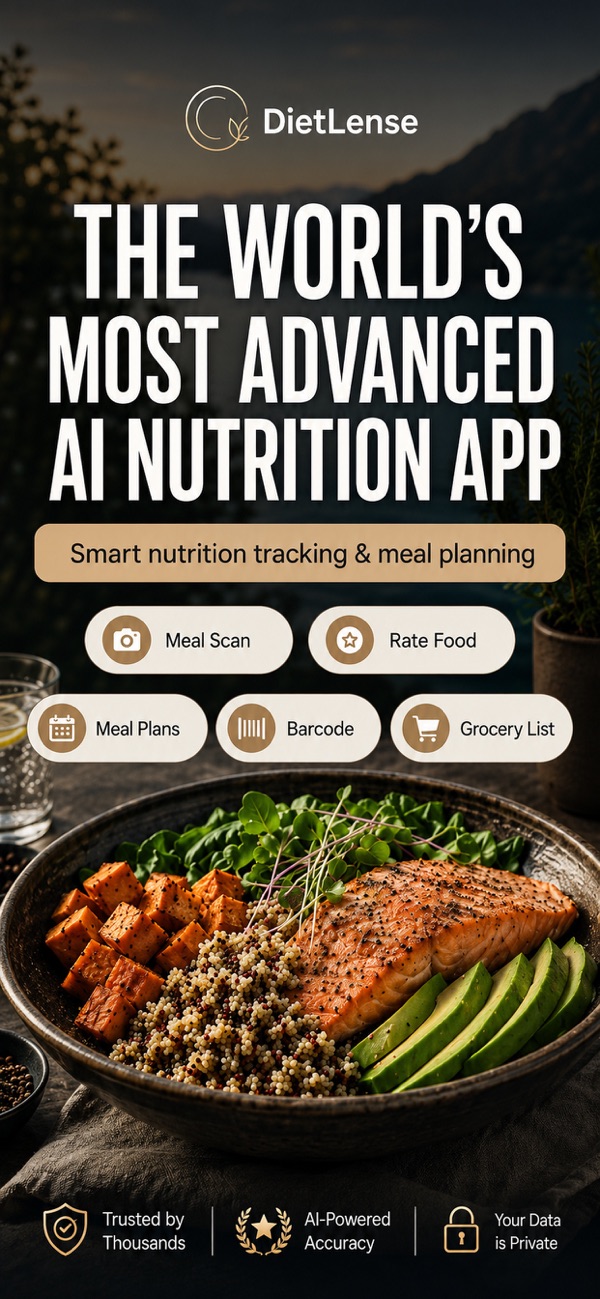
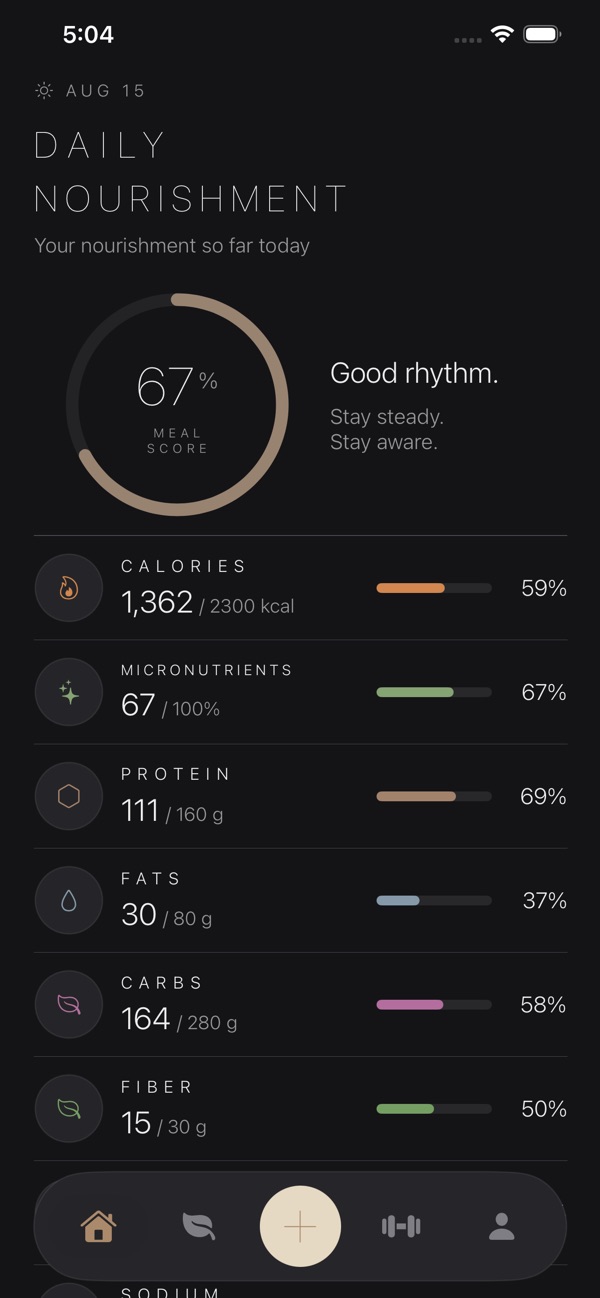
We built photo-based nutrition analysis into DietLense, our own iOS app, so we know what it takes to ship AI to real users.
Voice
Phone calls are their own discipline. See our AI receptionist service.
What we insist on.
AI is confident even when it is wrong, so the design around it matters more than the model inside it. No system we build is left to run a business unsupervised, and we will tell you when a task is better left to a person or a simple rule.
It answers from your information. Prices, policies and service areas come from documents you approve, not from the model's general knowledge.
It knows when to stop. Anything involving money, complaints, safety or a decision you would want to make yourself is passed to a person.
You can see what it did. Conversations and actions are logged so you can review them and we can improve the system.
It gets tested on the awkward cases. We try to break it before your customers do.
If you want the longer version, read when you should not use AI in your business.
Small, then bigger.
- 01
Pick one job
We choose a task with clear inputs, clear outputs and a way to measure it.
- 02
Prototype with real examples
We test against your actual emails, calls or documents, with private details handled carefully.
- 03
Run it alongside people
At first the AI drafts and a person approves. You see how often it is right before it acts alone.
- 04
Widen its job
Once it has earned trust on one task, we extend it to the next.
Understand it before you buy it.
Practical Ways Small Businesses Can Use AI
Eight realistic uses of AI in a small business, what each one needs to work, and how to pick the first one to try.
Read guide AI · 3 min readWhat Are AI Agents and What Can They Actually Do?
A plain-English explanation of AI agents, how they differ from chatbots, what they are capable of today, and where they still fail.
Read guide AI · 3 min readHow Much Does AI Implementation Cost?
What goes into the price of an AI project for a small business, the ongoing costs people overlook, and how to keep a first project affordable.
Read guide